←All Technical Articles
Enterprise SystemsJun 11, 2026·15 min read·Peer-Reviewed Blueprint

What Is an ERP System and Does Your Business Need One? The 2026 Architecture Blueprint

Everything SMEs need to know about Enterprise Resource Planning in 2026: when disconnected spreadsheets break, monolithic vs. custom micro-ERPs, and architecture patterns.

Key Focus:ERP SystemsCustom CRMBusiness OperationsPostgreSQL
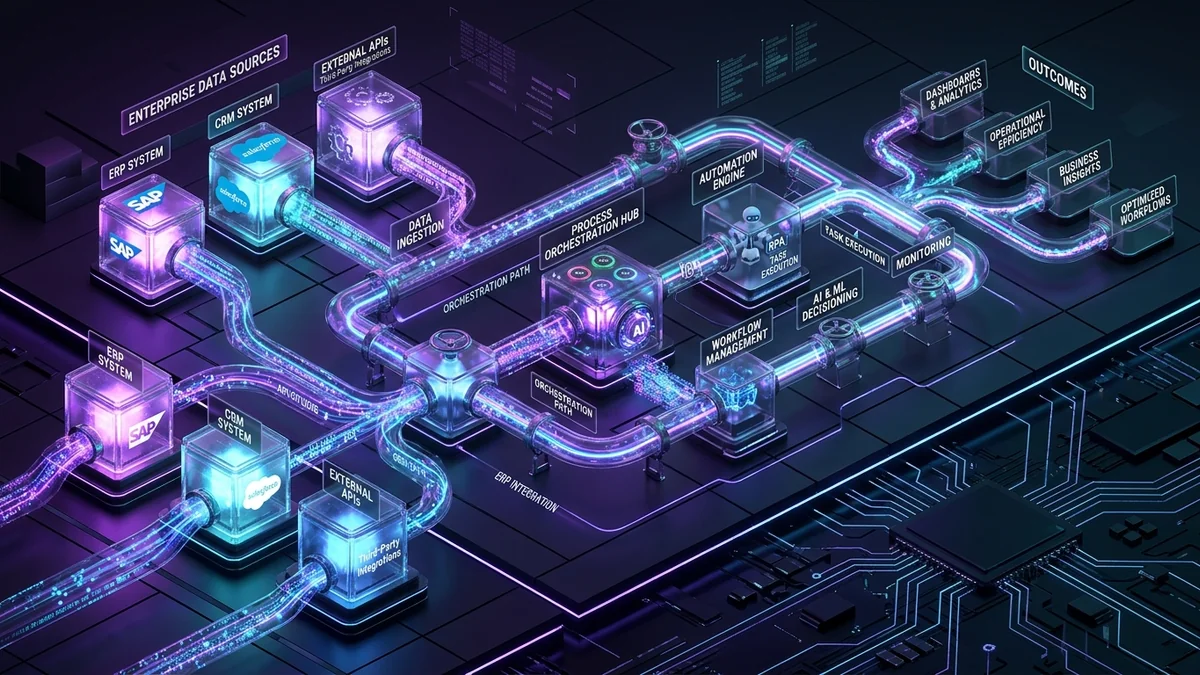
Bespoke micro-ERP architecture showing relational PostgreSQL database, inventory dispatch, and automated billing modules — Binary Froster
Figure 1: Modular Micro-ERP system architecture: unifying inventory, dispatch, customer accounts, and automated billing on an event-driven PostgreSQL backbone.

Every growing business hits the spreadsheet ceiling. In the early stages, managing operations across a collection of Google Sheets, Airtable bases, and disconnected SaaS apps works fine. But as order volume scales, inventory sync breaks, invoices slip through the cracks, and employees waste hours manually re-keying data between disparate systems.

Direct Answer / Key Takeaway: An ERP (Enterprise Resource Planning) system unifies core business operations — sales, stock inventory, purchasing, dispatch, customer CRM, and billing — in a single source of truth database. In 2026, small businesses bypass overpriced legacy systems (SAP, NetSuite) charging $150–$300/user/month by deploying bespoke modular micro-ERPs. Binary Froster engineers custom PostgreSQL ERPs from $4,900 (£3,822) with unlimited employee seats and zero license overhead.

According to software engineering research on enterprise architecture by Martin Fowler and the ISO/IEC 25010 Software Quality Standard, centralized relational data architectures eliminate over 80% of reconciliation errors in high-throughput business operations.

1. Monolithic Giants vs. Custom Modular Micro-ERPs

When small business leaders consider ERP systems, they often imagine multi-million dollar monolithic packages like SAP or Oracle NetSuite. These legacy systems require 12-month implementation cycles, consultants charging £200/hour, and rigid interfaces that frustrate employees.

In 2026, forward-thinking SMEs deploy Custom Modular Micro-ERPs:

  • Built for Your Exact Workflows: Zero extraneous menus or useless bloat; only the operational modules your business actually uses.
  • Sub-Second Modern UI: Clean, responsive web dashboards built with Next.js and Tailwind CSS that staff can access on desktop or mobile.
  • Zero Per-Seat Licensing Taxes: Traditional ERPs charge $100–$300 per user per month. A custom micro-ERP belongs to you, allowing unlimited employee accounts at zero additional cost.
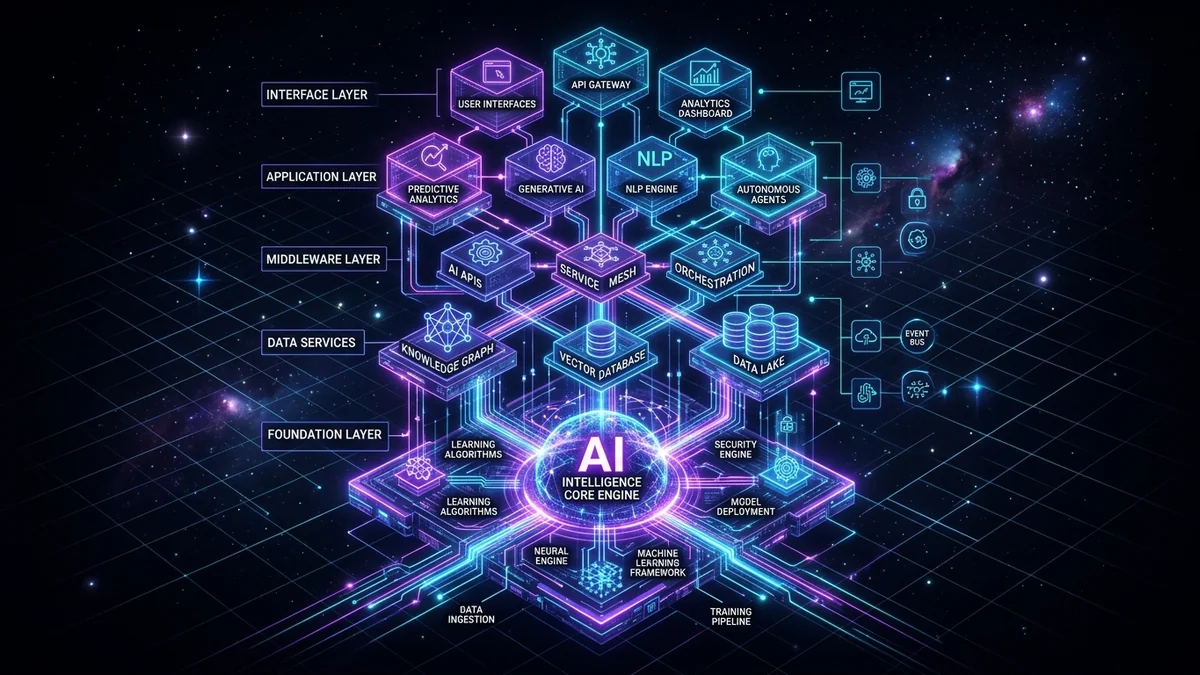
Distributed data architecture and micro-ERP event synchronization pipeline — Binary Froster
Figure 2: Distributed microservice architecture and PostgreSQL data pipeline: real-time inventory locks, event buses, and asynchronous billing queues.

2. Core Architectural Pillars of a Custom Micro-ERP

  • PostgreSQL with Row-Level Security (RLS): Enforces strict role-based access control (RBAC). Warehouse staff see inventory; sales reps see client orders; only executives access financial balance sheets.
  • Real-Time Inventory Synchronizer: Prevents overselling by locking inventory rows in real time during order confirmation.
  • Automated Invoicing & Webhooks: Generates PDF invoices automatically upon fulfillment and triggers accounting webhooks without manual intervention.
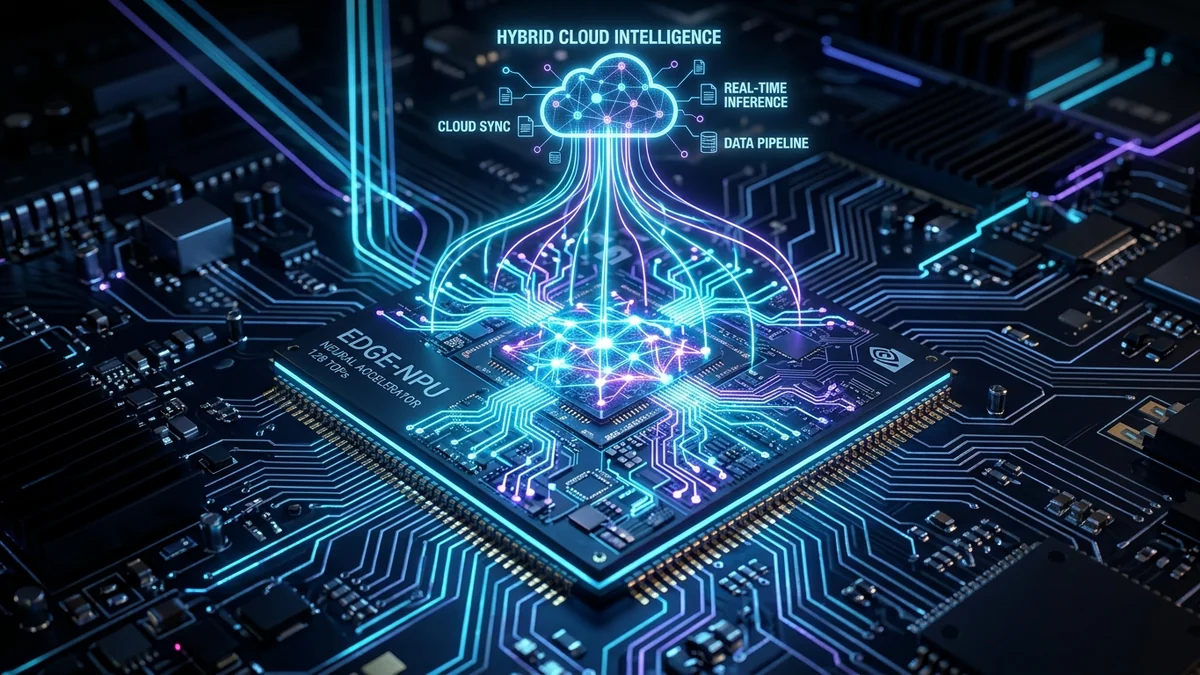
Business operational efficiency metrics and error reduction telemetry — Binary Froster
Figure 3: Operational efficiency and error-reduction telemetry: eliminating spreadsheet duplication, accelerating order dispatch, and automating compliance.

Ready to upgrade your operational software?

Binary Froster builds modular micro-ERPs for growing businesses. Let's discuss your project.

Get a Free Consultation
Direct Answers & Architectural FAQ

Frequently Asked Technical Questions

Q1.What is an ERP system in simple terms?

An ERP (Enterprise Resource Planning) system is a unified internal software platform that connects all operational data — orders, inventory, invoicing, customer accounts, and dispatch — into a single database, eliminating manual duplicate data entry.

Q2.When should a small business transition from spreadsheets to an ERP?

When order volume exceeds manual tracking capabilities, inventory records frequently fall out of sync, or staff spend more than 5 hours per week re-entering data between disconnected software tools.

Q3.How much does a bespoke ERP system cost to build at Binary Froster?

Binary Froster builds custom ERP systems starting from $4,900 (£3,822), featuring PostgreSQL architecture, role-based access control, automated invoicing, and zero recurring per-seat licensing fees.

Q4.Can a custom ERP integrate with our existing accounting software?

Yes. Custom ERPs integrate with accounting tools like Xero, QuickBooks, Zoho Books, or Stripe via secure webhooks and REST APIs to sync financial ledgers automatically.

Q5.How does a micro-ERP maintain data security and compliance?

By leveraging PostgreSQL Row-Level Security (RLS) policies, encrypted at-rest cloud storage, automated daily backups, and audit logs that satisfy UK GDPR and SOC2 compliance mandates.

Shivam Dube — Founder & Lead AI Engineer at Binary Froster

Shivam Dube

Founder & Lead AI Engineer

Founder and Principal AI Engineer at Binary Froster, specializing in enterprise LLM pipelines, autonomous agent architectures, and machine learning solutions.

Recommended Reading

Related Architecture Guides